Blue Chip Ads
Enter password
No new creative. Nothing new gets made until the numbers say what to make.
The ad that worked is still in the account, still approved, and the ad set is still live. The relaunch is a settings job and one new cut, not a rebuild.
AD 10 is the better watch. It holds more people to the halfway mark, earns 40 percent more thruplays, keeps the average viewer 50 percent longer and is clicked 39 percent more often. It then converts at less than half the rate. The whole gap is in who the hook selects: AD 10 opens on someone who already has a fund, and the form's own second question disqualifies them. AD 4 opens on someone mid decision who has not started. Creative gets judged on cost per qualified lead, never on watch time.
| What the twelve say | Share of their 147 ads |
|---|---|
| Education, how it works | 43% |
| Fees, cost, price | 19% |
| Compliance, ATO, penalties | 18% |
| Take control of your super | 12% |
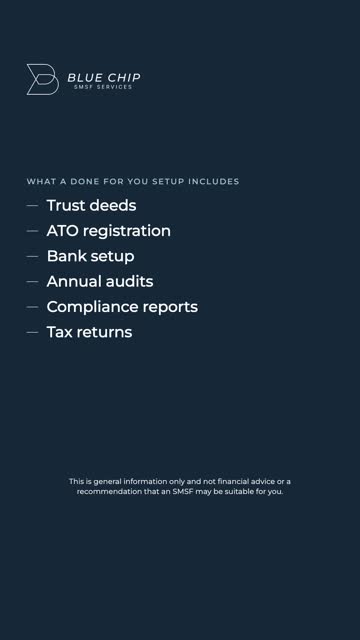
| Done for you, admin off your plate | 9% |
| Property through super | 2% |


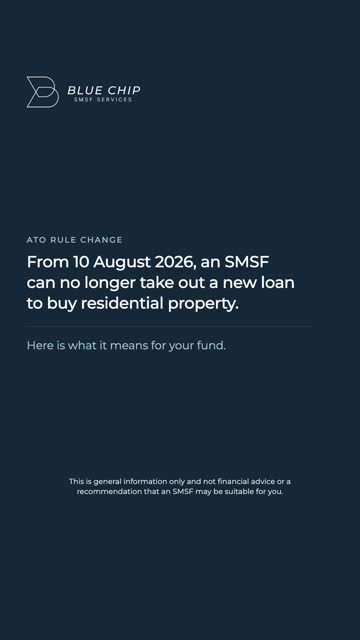
36 ads across 16 advertisers run the borrowing change. 15 of those 16 are property sellers, lenders or educators. The only SMSF administrator using it is Easy Super, with two ads.
Nobody is telling a person who has a fund, or wants one, what the change means for the fund itself. Said plainly as a rule change, and dated on screen every time it appears, that line is open today.
92 percent of SMSF ads in market carry no compliance line in the ad text. The ones that do are the licensed advertisers, and the two biggest put the line in the creative instead of the copy, where it does not eat the primary text.
The three month plan is written on those numbers, and the creative for it is chosen from what the market read says works. Reported weekly on cost per qualified lead, not on cost per lead, because that is the number that told us AD 4 beat AD 10.
The market sends to a page and you send to a form. That is why $22 a lead was possible, and it is also why retargeting has nowhere to land. The current offer pages carry template content with no disclaimer on them. A landing page built for this campaign is the missing piece on the conversion side, and it is the point at which the website conversation comes back.
An AI voice agent calls every lead inside 60 seconds of the form, in Blue Chip's name, asks your five questions, and books the consultation.
It sounds like a person, it holds a real conversation, and it writes everything back to your CRM. Tara and Reagan only ever pick up a booked, qualified call.
Your own workflow sends a text at six minutes, with a broken merge field in it. Nobody speaks to a lead inside a day of the enquiry.
The team is not slow. It has no way to tell which lead is worth the first call, so the easy no gets called first and the buyer waits ten days. One lead added on 16 August signed with a competitor inside 48 hours while the messages were still warming him up.
A fast conversational system pointed at a slow trigger. Twelve bookings in eleven weeks, nothing written back to the record, and 29 days where it double sent over the top of your own workflow.
One brain, trained on your five questions and your factual only line, working four ways.
Built and run by Aidan, our voice technology partner. Luke Faulkner is on the call today and builds the Blue Chip agent with us.
Passes all five, booked in the same call. Fails one, the reason goes on the record and nobody at Blue Chip wastes a call. Meta will not let a form ask three of these, so the call has to.
Today a lead who asks for a person gets one text line and a tag. Five of the last seven were never answered. With the agent:
Last quarter 63 of every 140 leads were never reached by anyone. Their form answers match the leads who passed, so on AD 4's rate 23 of them would have qualified. That is $1,369 a month of ad spend buying leads nobody speaks to.